Recovery
Massage in Bali: What It Can and Cannot Do for Your Trip
A practical, no-miracle-claims guide to deciding whether an in-room massage fits your Bali day, and how to make the session comfortable.
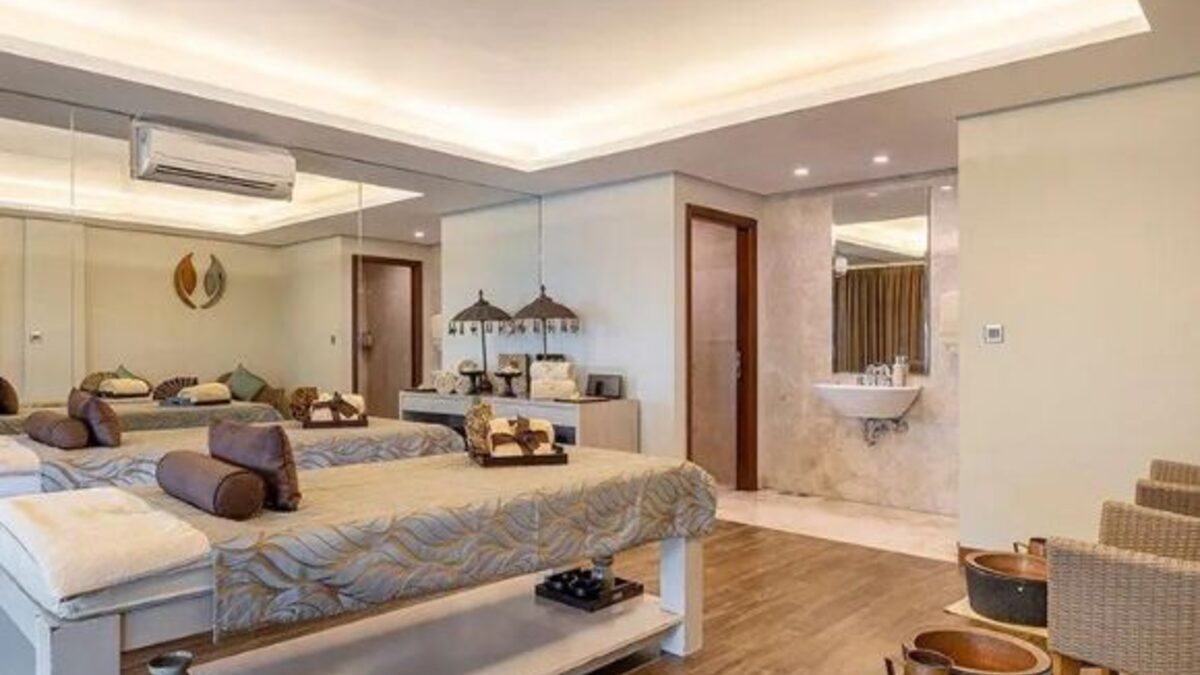
A massage can be a pleasant pause between a beach day and dinner, but it is not a substitute for sleep, hydration or medical care. If you are staying in Kuta, Legian, Tuban or another part of south Bali, the useful question is not whether a treatment has a long list of promised benefits. It is whether the pressure, setting and timing suit you. This guide helps you decide what to request, what to avoid and how to arrange an in-room session without rushing.
Start with the experience you actually want
People use the word benefit for very different things. You may want uninterrupted quiet after a travel day, a chance to slow down after walking around Kuta, or simply the convenience of staying in your room. Those are personal preferences, not medical outcomes. A treatment cannot guarantee that you will sleep better, cure a sore back or recover from a flight.
Before you message to book, finish this sentence: "I would like a session that feels…" Choose light and restful, firmer and focused, or somewhere between. Then note any area you would prefer the therapist to skip. This gives the person taking the booking something useful to pass on without pretending to diagnose you.
For a straightforward introduction to the available styles, compare the Balinese massage guide with the Balinese versus deep-tissue comparison. Decide on comfort rather than a list of promised effects.
Choose pressure without chasing a result
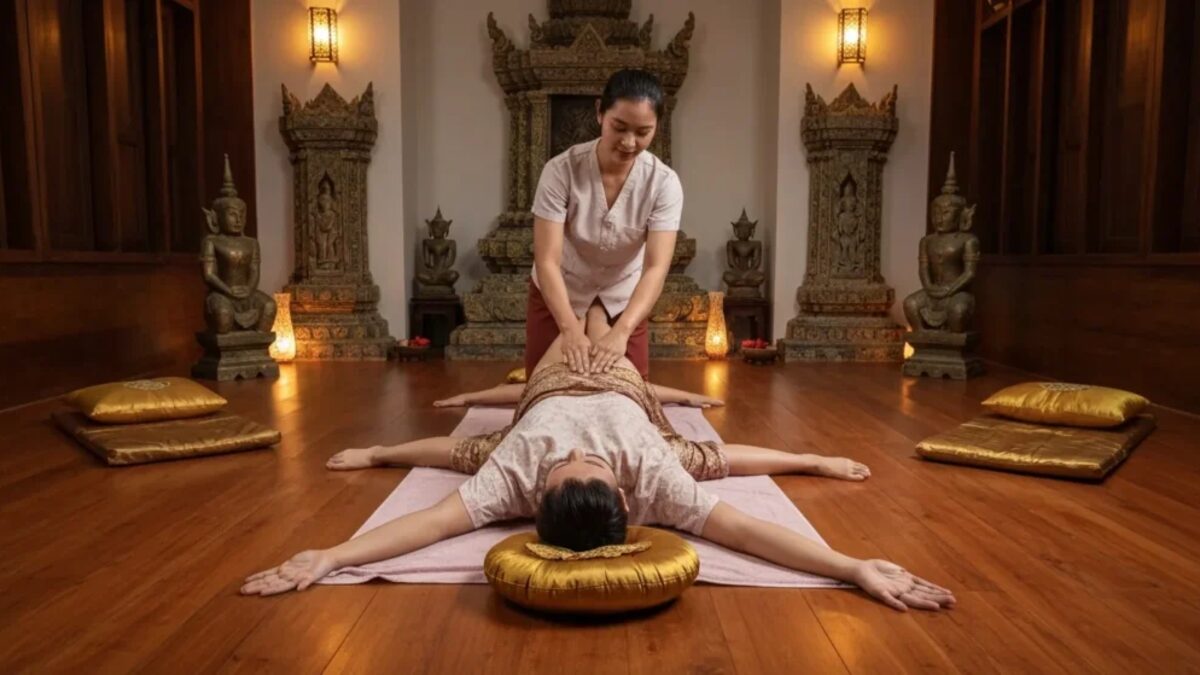
A firmer massage is not automatically a better one. You should be able to speak, breathe comfortably and ask for an adjustment at any point. At the start, try: "Please begin gently. I will tell you if I want more pressure." If something feels sharp, uncomfortable or too intense, say so immediately; you do not have to wait for the therapist to finish an area.
It also helps to name what you do not want: "Please avoid my left ankle," or "No pressure on my neck." A clear request is easier to act on than "make it therapeutic." If you are unsure which style to book, ask what the session involves and whether the pressure can be adjusted during it. Do not choose a treatment because a name suggests a health outcome.
If you have a new injury, significant unexplained pain, fever, skin infection or another health concern, contact a qualified clinician before booking. An in-room massage is not a diagnosis or a treatment plan.
Plan a time that leaves room to unwind
A session works more comfortably when you do not have to sprint to the next appointment. Think about when you will be back from the beach, whether you need to shower first, and whether a driver or dinner reservation is waiting. Ask about availability and arrival timing on WhatsApp rather than assuming a fixed travel time: traffic between Kuta, Legian, Seminyak and other south Bali areas changes with the hour and route.
Share a location pin, property name, room or villa number, and any gate instructions before the therapist travels. If you are in a hotel, check its outside-visitor policy with reception first. Some properties require a guest to meet a visitor in the lobby or register them; the booking site cannot promise what your hotel allows.
Confirm the treatment duration, arrival window and current price directly on WhatsApp before committing. Leave a few minutes after the session to dress and drink water rather than stacking it against checkout or airport pickup.
Make the villa or hotel room workable
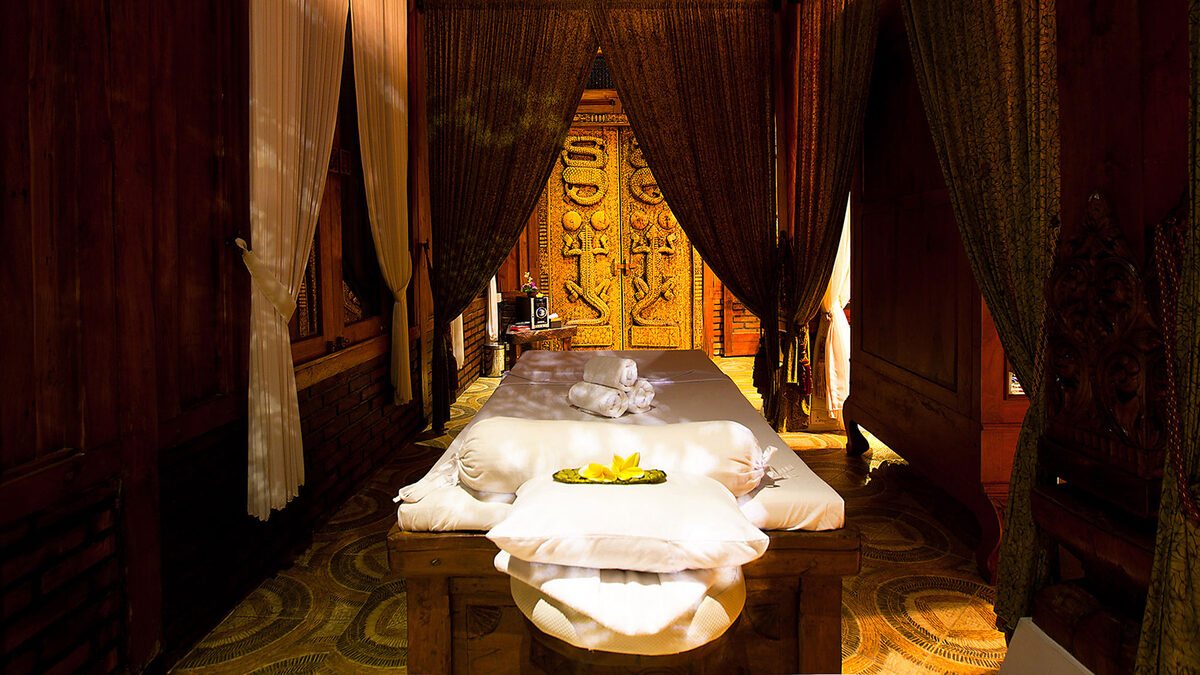
Even a well-chosen treatment feels awkward if the room has no usable space. Clear the path from the door and make room for the setup and movement around it. If a room is narrow, ask during booking what equipment is used and how much floor area it needs; do not assume a particular table or arrangement. Move fragile belongings and keep valuables somewhere private.
Adjust the air conditioner so it does not blow directly onto you, and choose lighting that lets the therapist work while still feeling comfortable. If the room opens onto a shared corridor or garden, close curtains or choose a more private space. Showering after the beach removes sand and sunscreen before the session.
The villa and hotel room preparation checklist covers access, space and distractions in more detail. If you have accessibility needs or cannot use a particular position, describe that before booking rather than trying to solve it at the door.
What to say before and during the session
A short message can prevent most misunderstandings. Include your location, requested treatment, preferred time, number of people, and one sentence about pressure or areas to avoid. For example: "We are staying near Kuta Beach in a villa. Is an in-room Balinese massage available this evening? Please start with light pressure and avoid my right shoulder. What are the current price and arrival window?" This is a template for your request, not a promise of availability.
On arrival, repeat the important preference to the therapist. Ask how to position yourself if you are unsure, and say if you would like more coverage, less oil, a cooler room or a pause. You can end the session if you are uncomfortable. There is no requirement to endure a technique simply because you booked it.
Browse the Balinese massage service page for the site's current treatment details, then confirm your own booking arrangements on WhatsApp.
Aftercare and sensible limits
Give yourself a moment to stand up and notice how you feel. Drink water if you are thirsty and decide whether you want a shower before going out. If oil or fragrance does not suit your skin, mention that before the session and ask what will be used. People experience a massage differently; there is no universal timetable for feeling relaxed or ready for another activity.
If you notice persistent pain, dizziness, a rash or any symptom that worries you, seek appropriate medical advice rather than relying on a second massage. Pregnancy, recent surgery and ongoing conditions are reasons to ask a qualified health professional whether massage is suitable for you and to tell the booking team about any restrictions. Do not let an online guide replace individual clinical advice.
The practical benefit to plan for is control over the experience: a location that works, a treatment you understand, pressure you can change and enough time on either side. Those are choices you can make before anyone arrives.
Frequently asked questions
Will a massage cure jet lag or back pain?
No such outcome can be promised. If you have persistent or unexplained pain, consult a qualified health professional. Book a massage for the experience and choose pressure that feels comfortable.
How do I ask for less pressure?
Say plainly, "Please use lighter pressure," as soon as it feels too firm. You may also ask the therapist to skip an area or stop the session.
Can a therapist visit my Kuta hotel room?
Ask your hotel about its visitor policy before booking. Confirm property access instructions, availability and arrival details with the booking team on WhatsApp.
What should I share when booking an in-villa massage?
Send your location pin, villa or hotel name, requested treatment, preferred time, number of guests and any pressure or access preferences. Confirm current price and timing on WhatsApp.
What if I have a medical condition or am pregnant?
Consult a qualified health professional about whether massage is appropriate for your circumstances, and share any restrictions before booking. This guide is not medical advice.